Our Prototype Workshop and Production - How HARDWARIO Studio Grew
From 3D printing farms to climate chambers and UV printing, see how HARDWARIO Studio evolved into a full-scale IoT production facility.
Did you know that we have our prototype workshop and serial production facility, which we call HARDWARIO Studio? We even operate two production sites in Liberec. One is located directly at our headquarters, and we also have a second external facility for larger serial orders.
We would like to show you the high standard of our workshops, what’s new, and what we offer our customers.
Large-format 3D printing with “Obelix” for big ideas
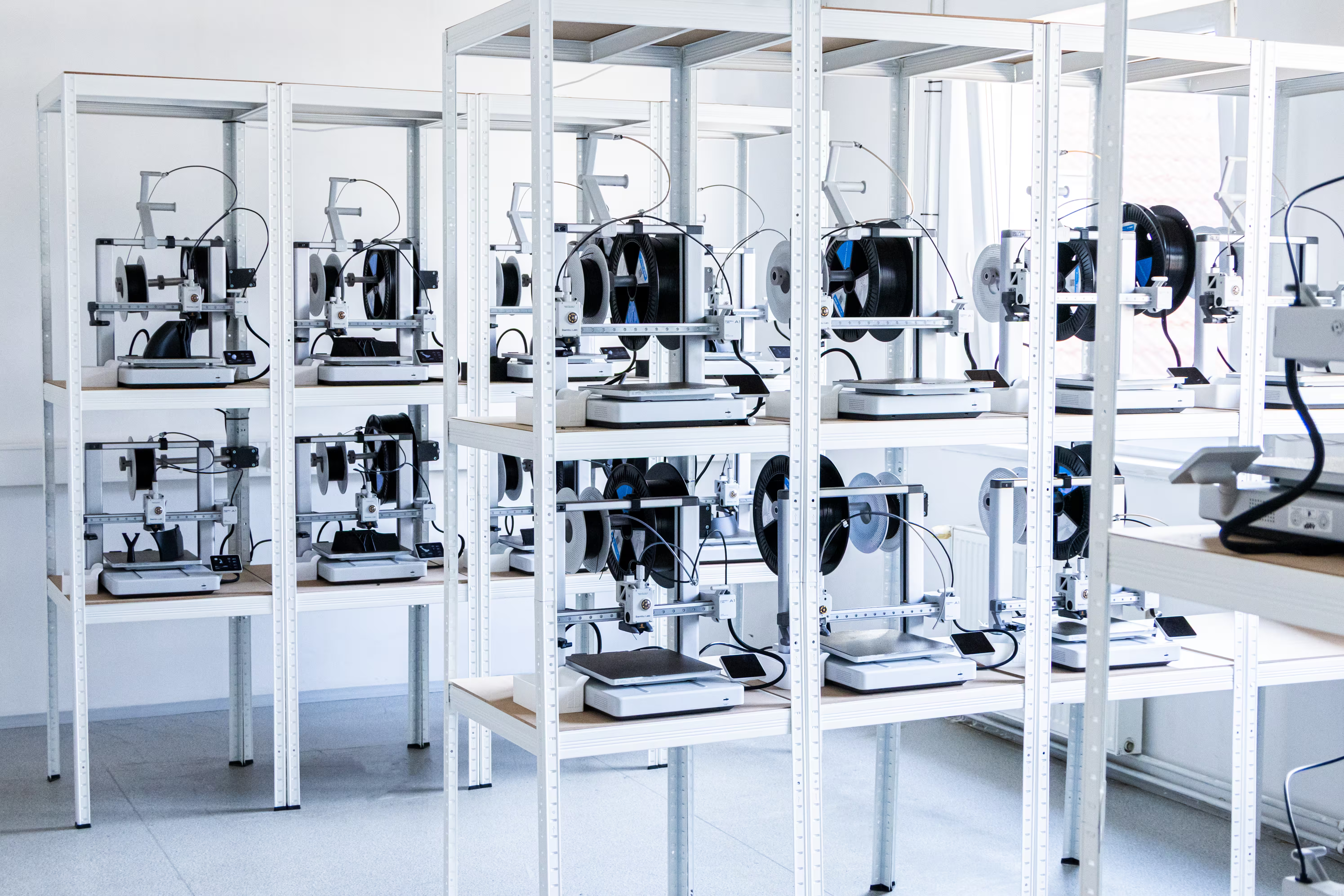
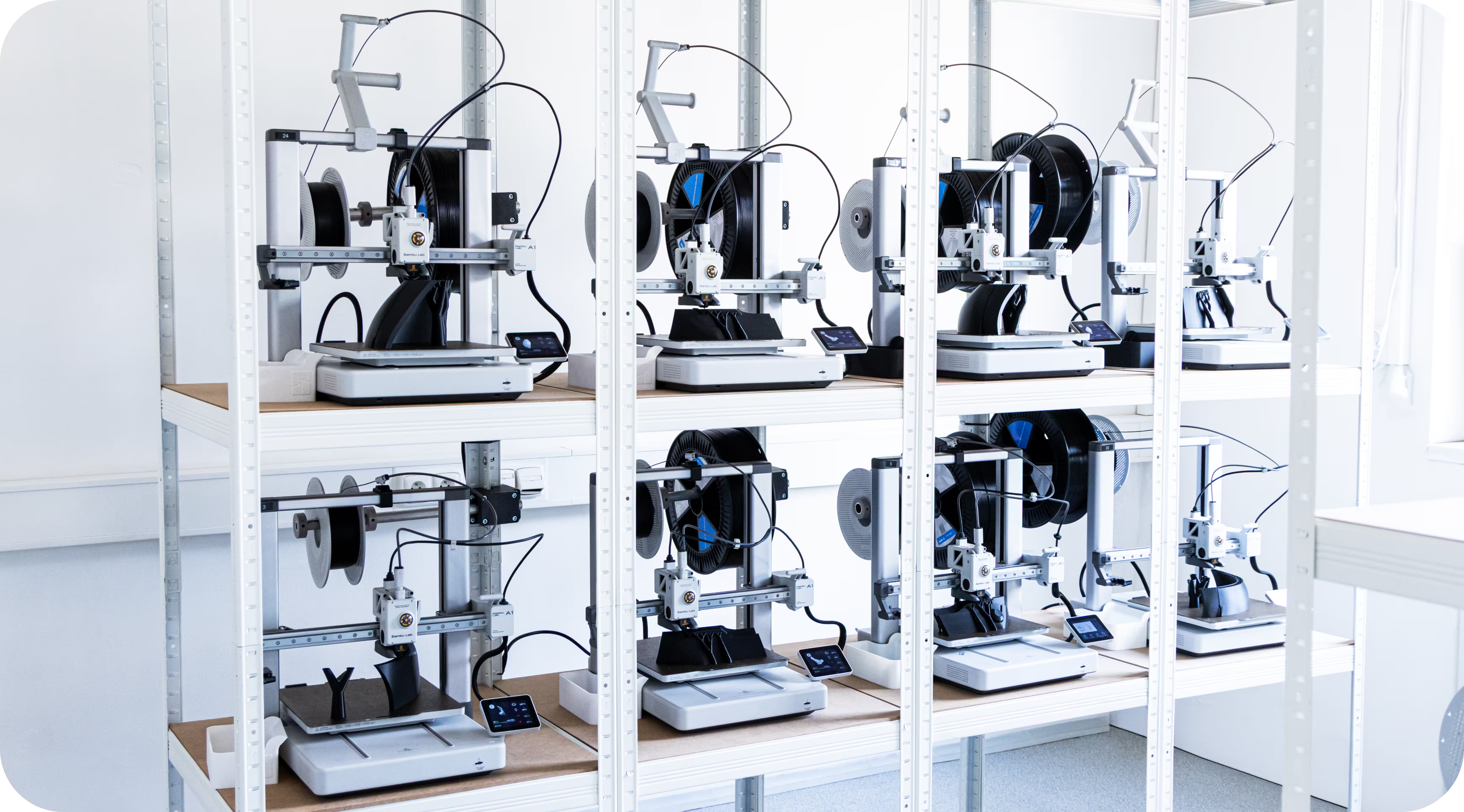
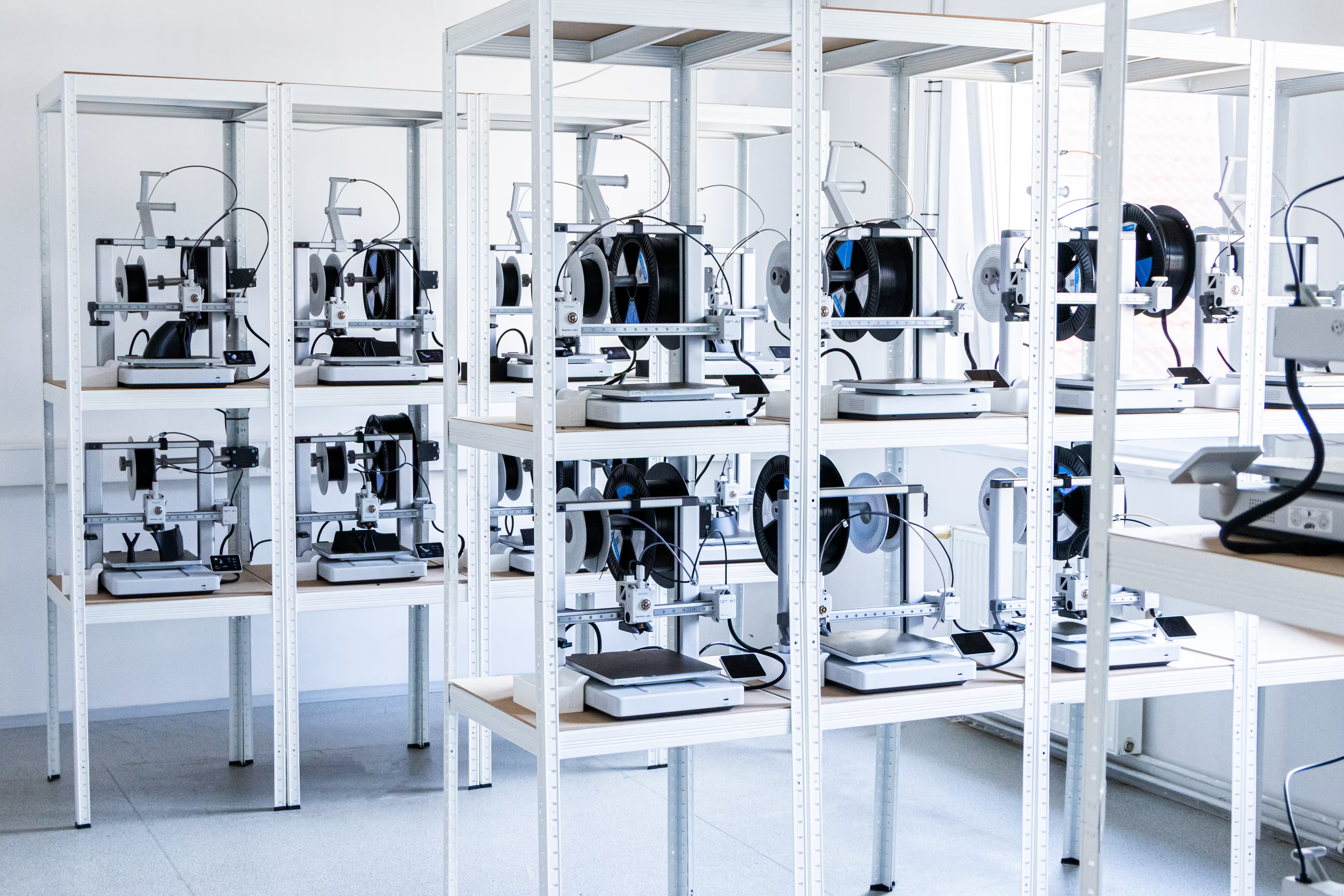
Our 3D printing facilities have expanded significantly in recent times. We have a printing farm with over twenty printers, which we use for internal prototyping and custom printing. We can print from common materials such as PLA but offer more durable options, such as ASA or ABS. For example, we print boxes for sensors, mechanical parts, and various holders for our students.
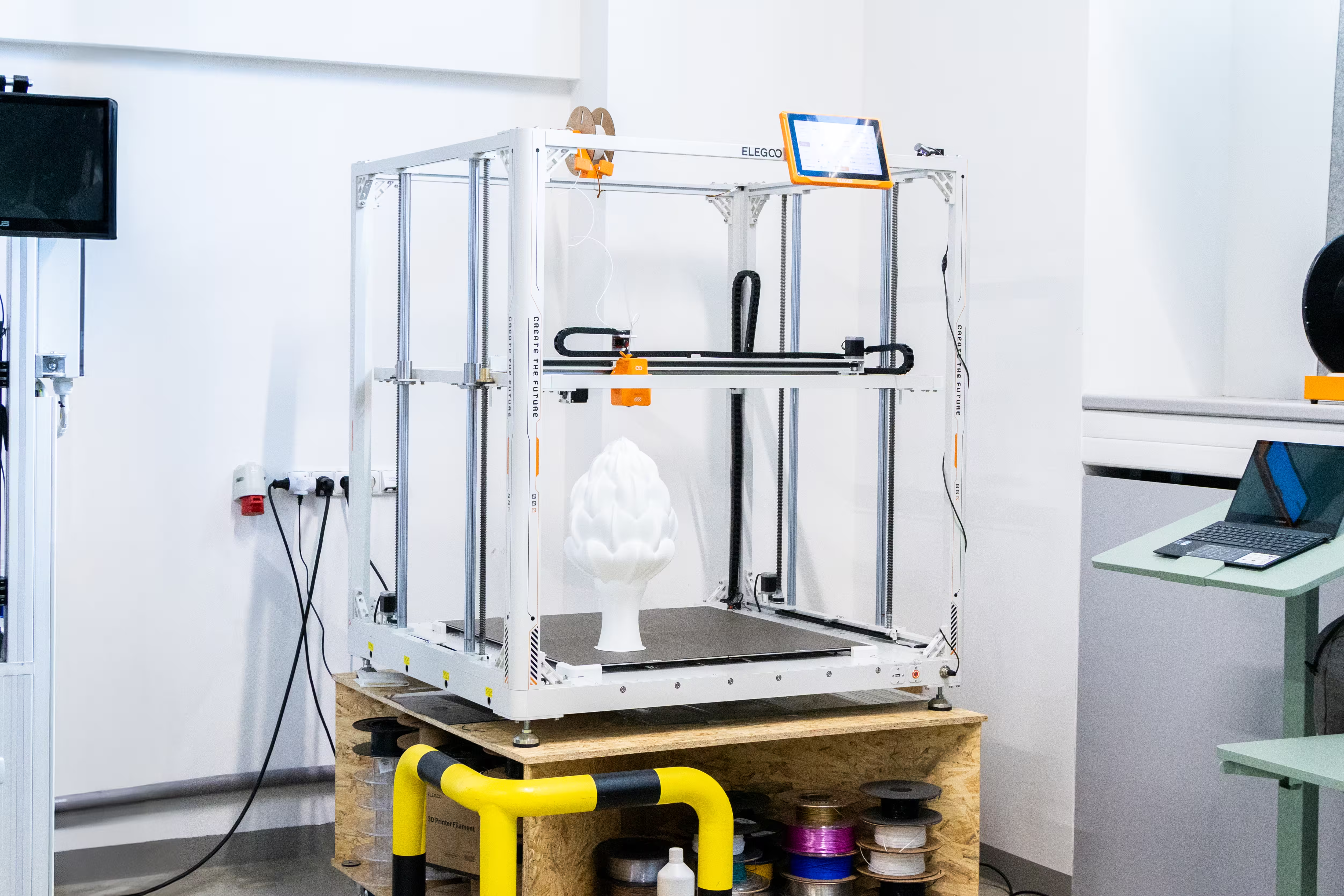
We also have a large-format 3D printer called “Obelix.” It can print objects up to 80 x 80 x 100 cm in one piece. This is ideal, for example, for the production of fixtures, sculptures, or large prototypes without the need to glue and screw multiple parts together. We mainly use it to print various preparations for our UV printer.
Full-color printing on plastics, metals, and foils
HARDWARIO Studio also features a Roland MO-240 UV printer, which is among the best in the world. Thanks to this printer, we can brand products according to customer needs or print labels and tags directly onto the product cover. The advantage is that these are not classic adhesive labels, which can peel off over time. Thanks to technology, the labels have become part of the box and have virtually unlimited durability.
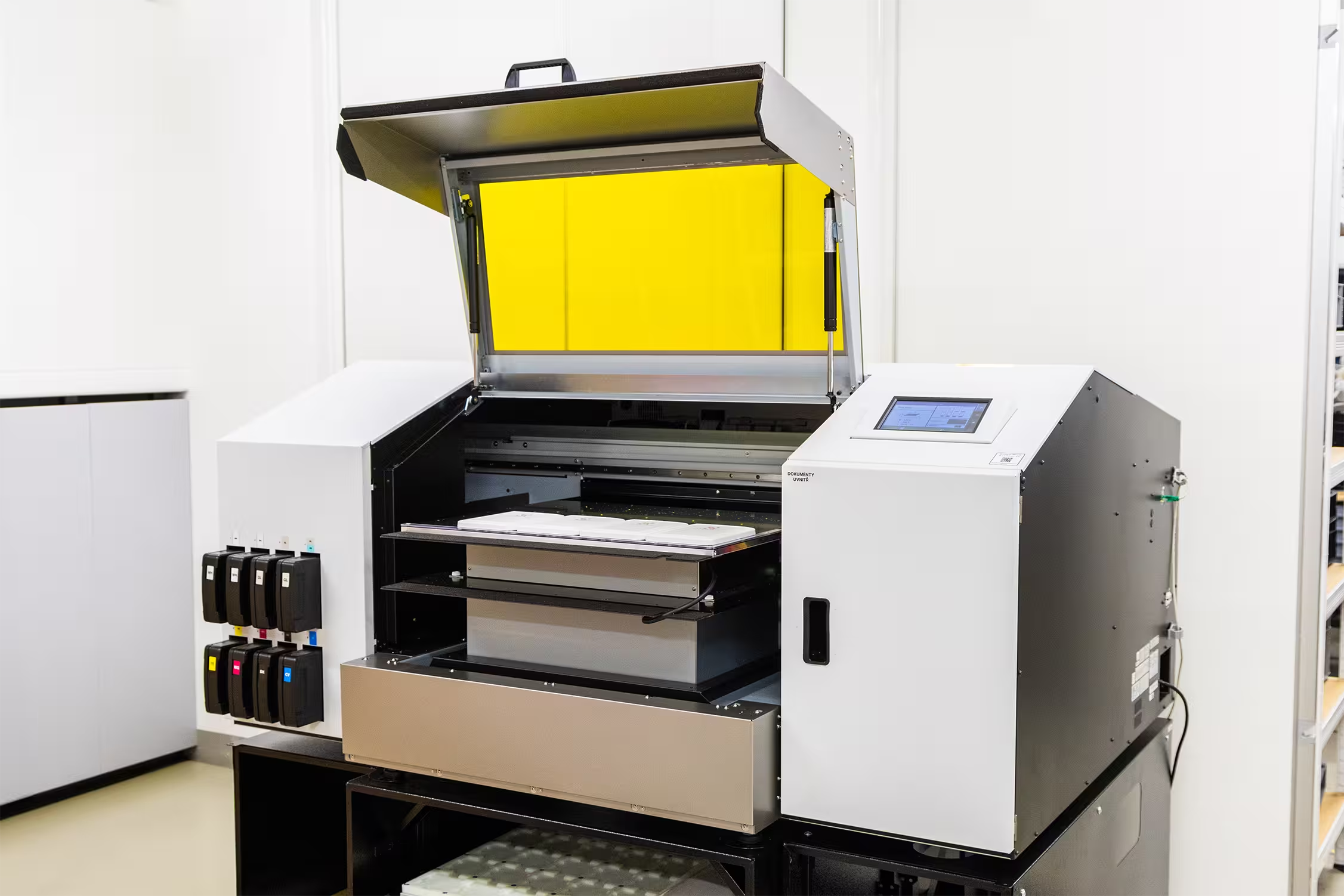
The printer can handle full-color CMYK printing, offers white underprinting for dark surfaces, and has the option of overprinting, which increases scratch resistance. We can print on almost any flat surface, whether plastic, metal, or foil.
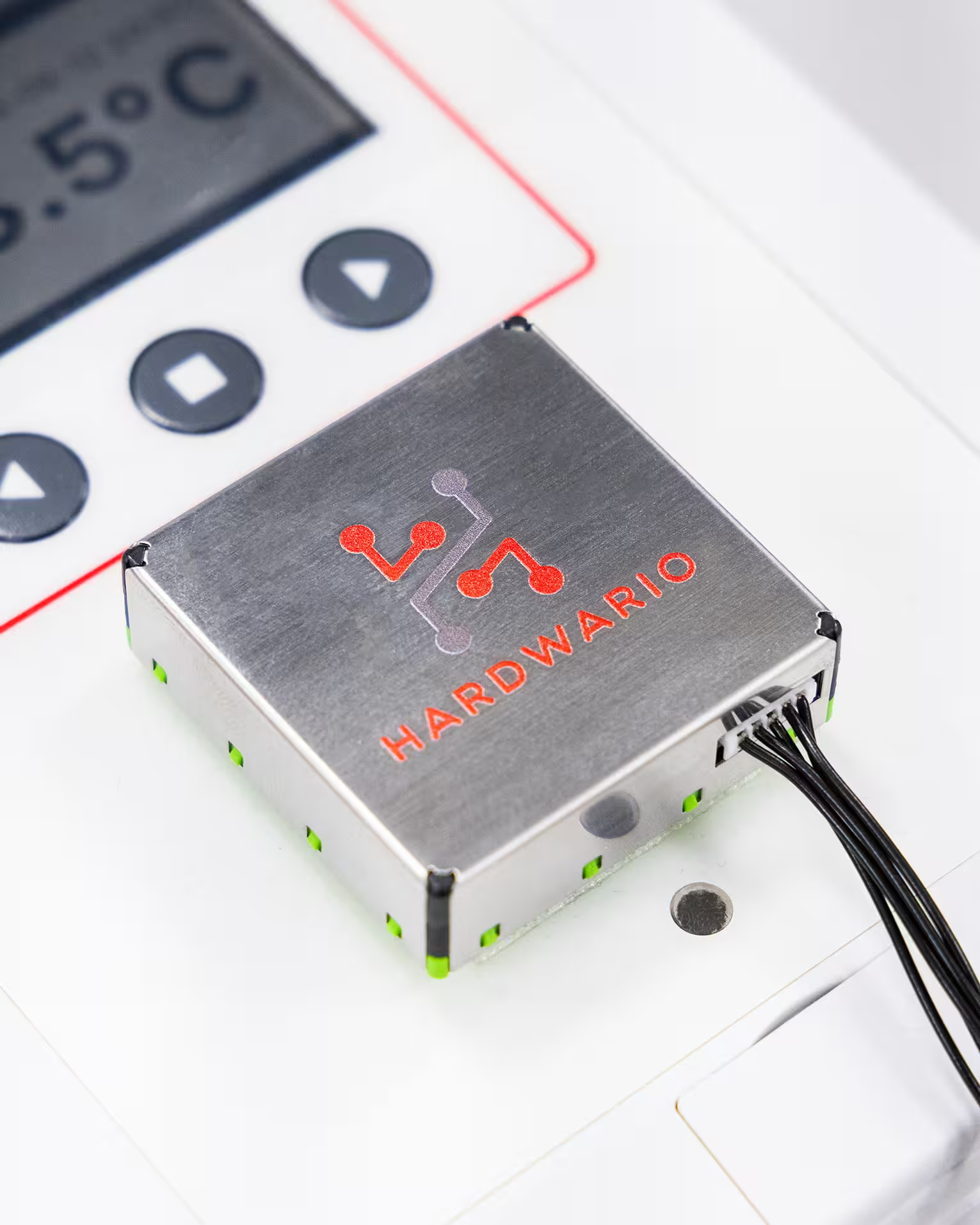
Printing can be scaled. Thanks to the 60 x 45 cm printing area, we don’t have to print smaller items one at a time, but can use our own custom-designed fixtures to print larger series. This makes printing efficient and cheaper for clients.
Simulating conditions from arctic frost to desert heat
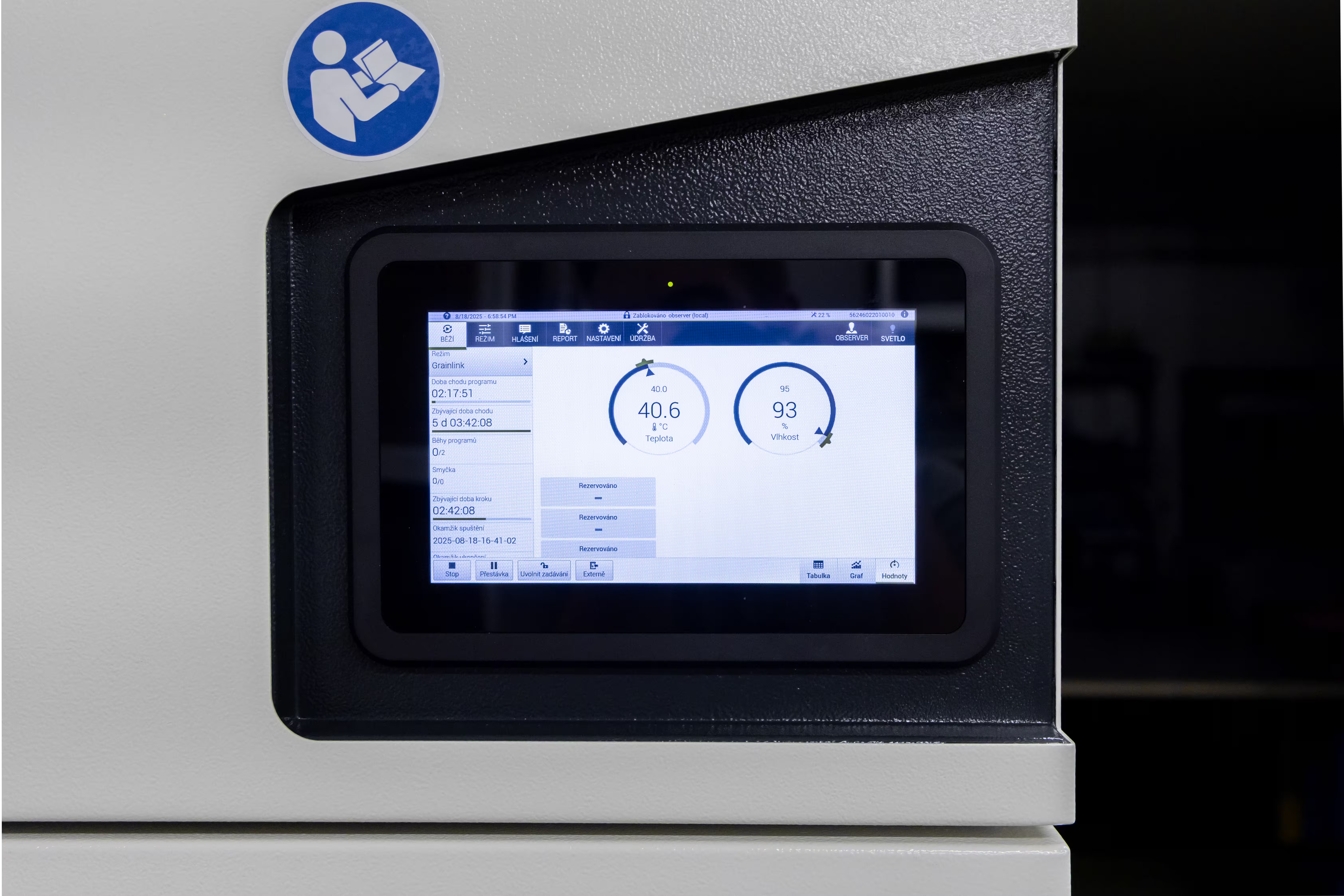
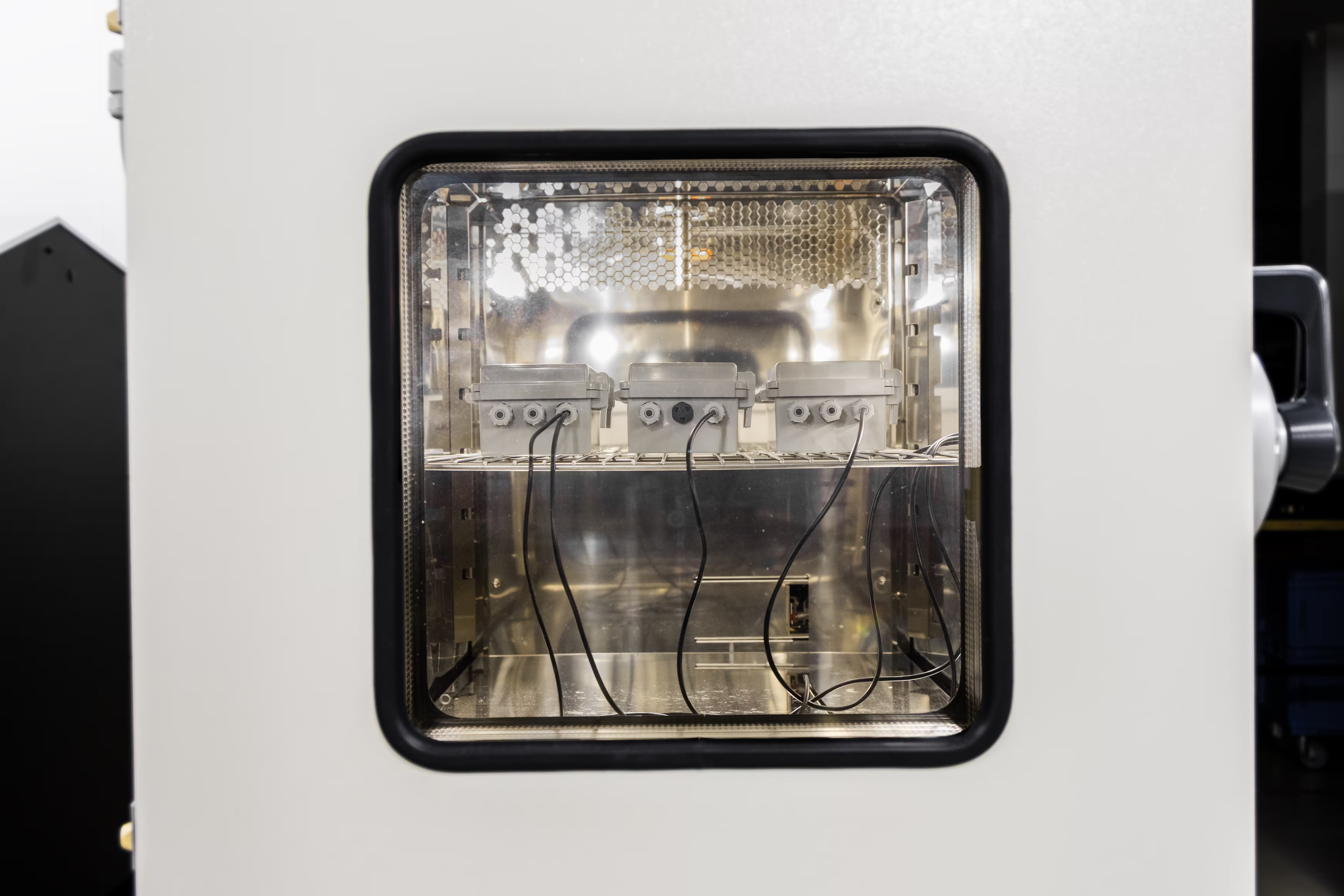
When we need to test whether a product can withstand extreme conditions, we use a climate chamber. It can simulate temperatures ranging from -40 to +170 degrees Celsius. This makes verifying that equipment will function in both desert heat and extreme cold straightforward.
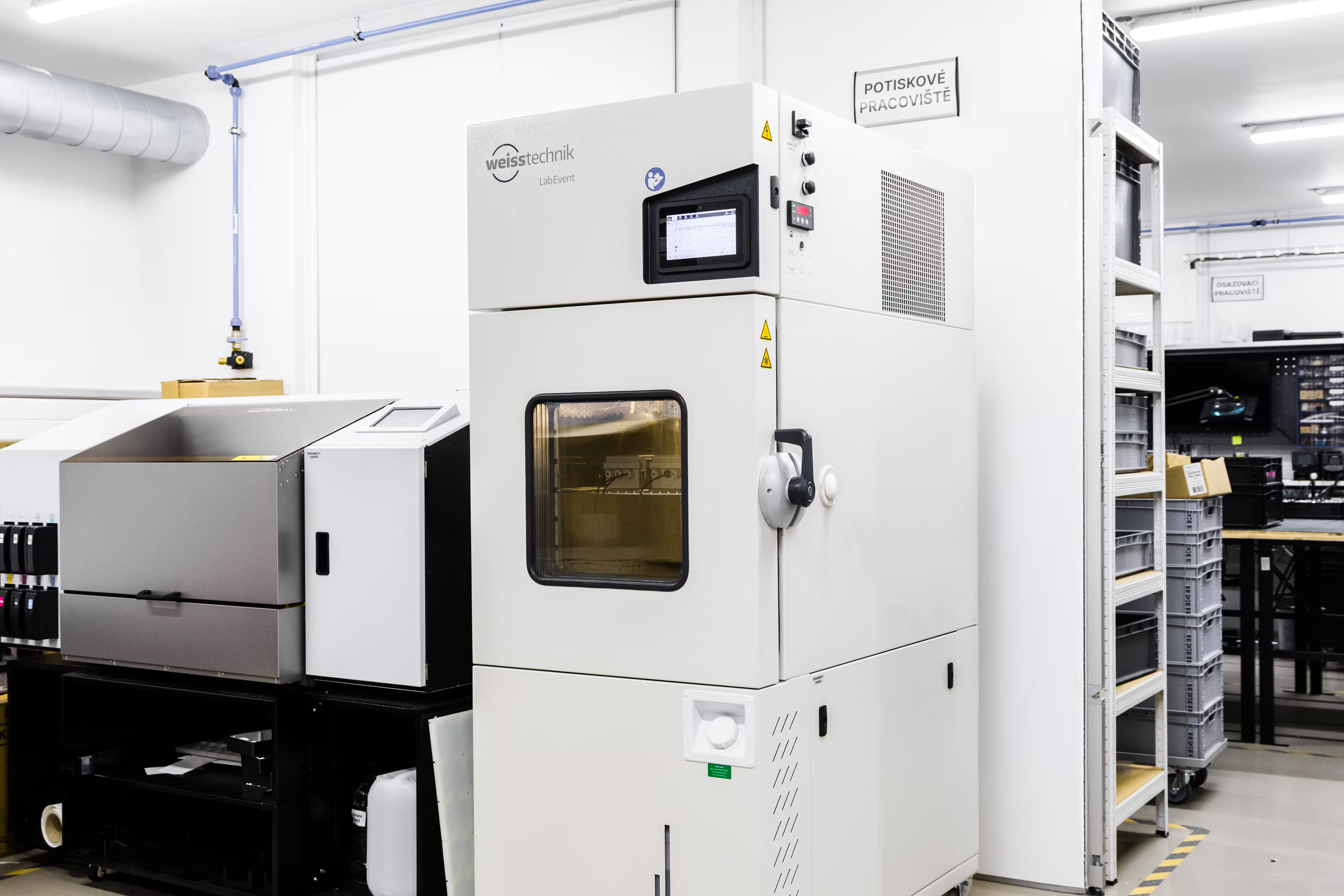
As one of final tests, the company checked whether their device would operate within a temperature range of -20 to +60 degrees Celsius so that we could specify the limits for certification. The device remained in the chamber for over a week and performed without issues. They also offer resistance testing for customers and partners.
Prototype production
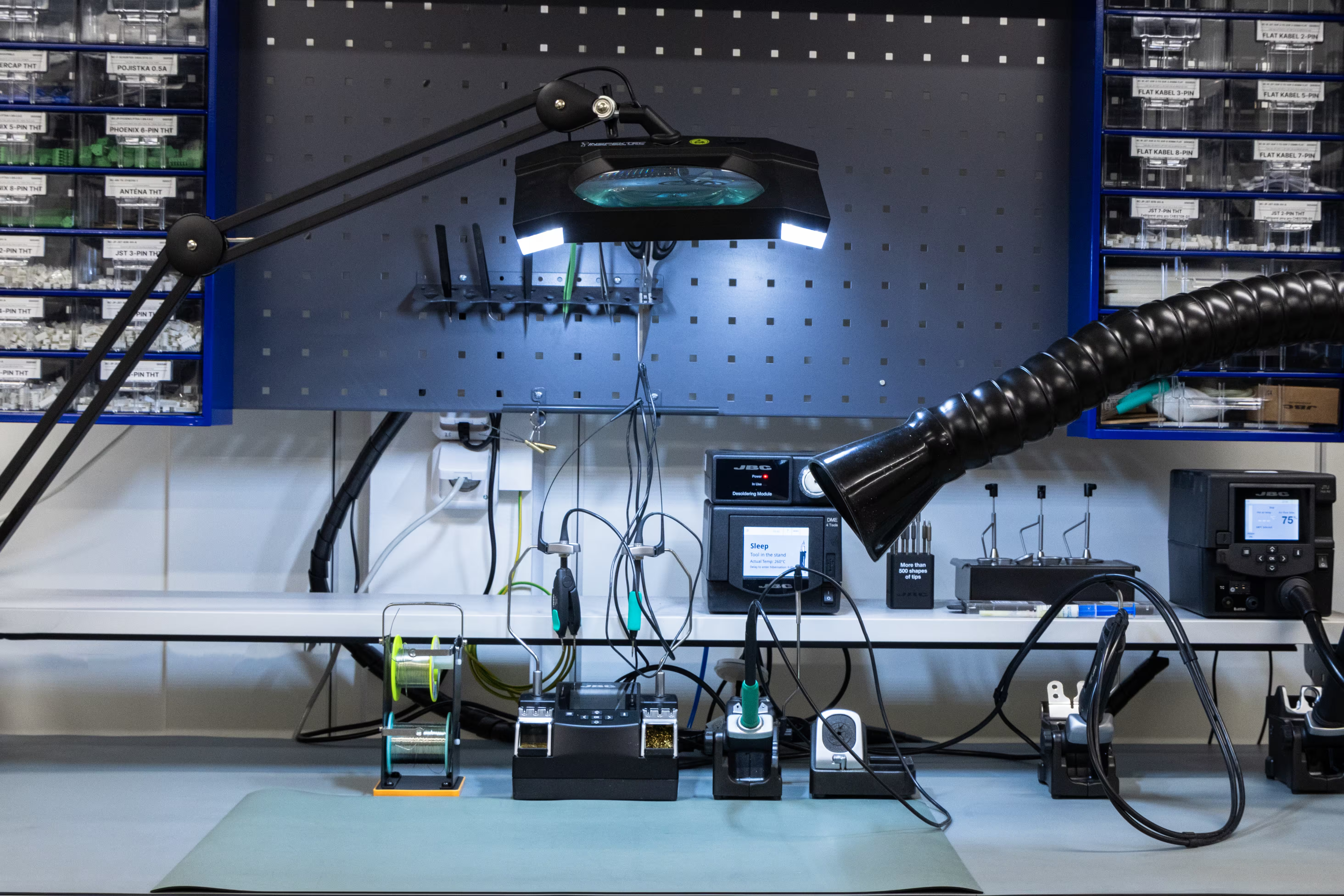
The workshop has state-of-the-art soldering technology, which they use to mount THT components on PCB boards. However, they are also able to manually mount SMT component samples with high quality and then bake them with the same results as automatic lines.
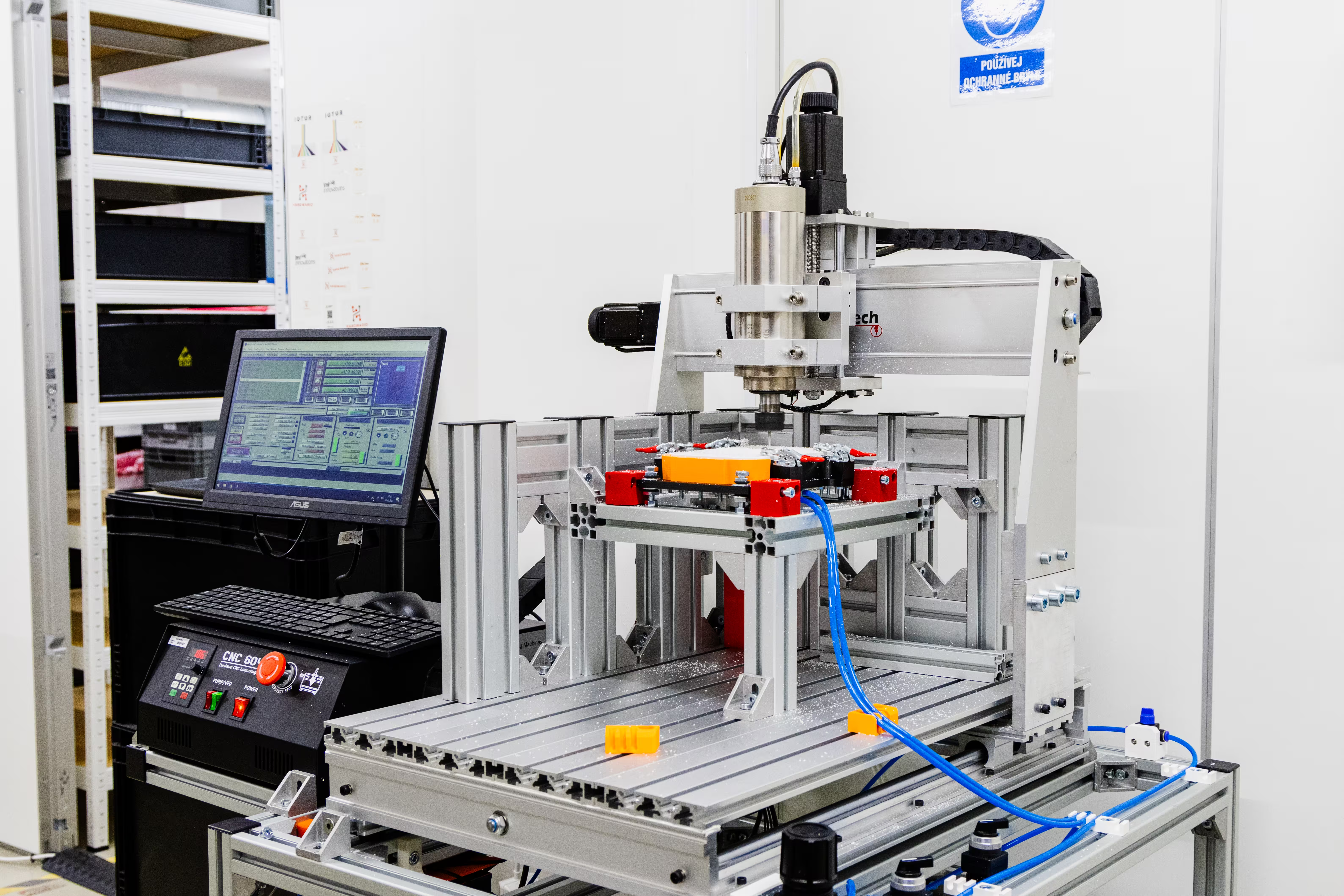
Mechanical prototypes are created either using 3D printing or using their own CNC milling machine, where they also modify boxes.
Mass production
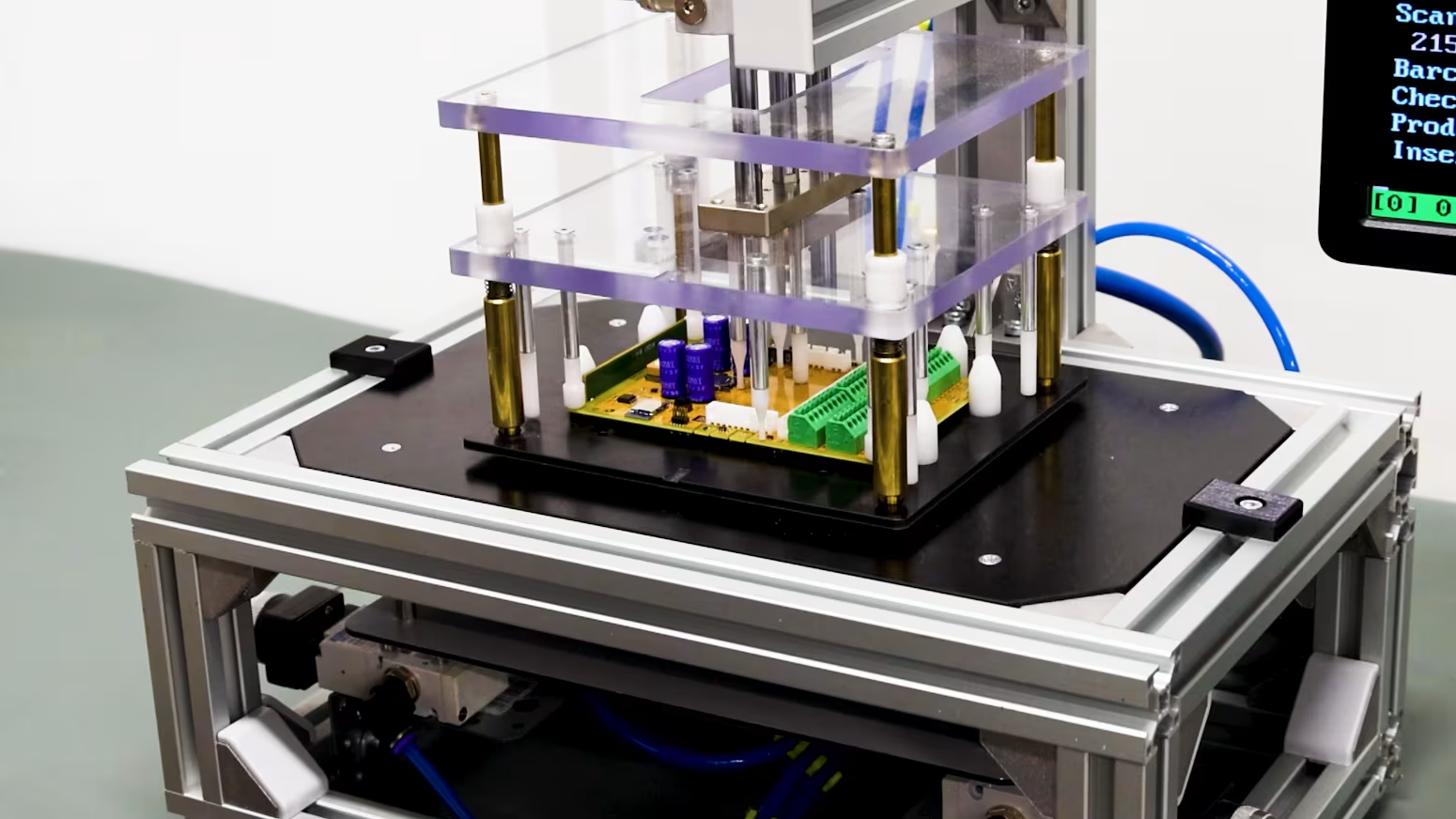
Their services are not limited to prototypes. They also offer serial production, from mechanical assembly and soldering of THT components, through assembly, to final testing and shipping of finished products.
If a customer needs to produce hundreds of pieces or even larger series, they can set up the entire process to run smoothly. They help with optimization, component sourcing, and material storage.
Conclusion
If you are interested in our services, please contact us at studio@hardwario.com or visit https://hardwario.studio/ for more information.
Stepan Danko, Hardware Engineer